
Introduction
Musculoskeletal injuries arise when mechanical demands placed on tissues exceed their structural or physiological capacity. Injury biomechanics focuses on understanding how forces, loading patterns, and movement mechanics contribute to tissue damage. This field plays a crucial role in identifying injury mechanisms, developing prevention strategies, and guiding rehabilitation and clinical decision-making.
Mechanical Loading and Tissue Response
Biological tissues respond to mechanical loading in a load-dependent manner. When exposed to appropriate levels of stress and strain, tissues adapt and strengthen. However, excessive loading, improper loading direction, or insufficient recovery can result in tissue failure.
Acute injuries are typically caused by sudden, high-magnitude forces, whereas chronic injuries develop from repetitive sub-maximal loading. The rate, magnitude, and frequency of applied loads, as well as tissue condition and fatigue state, significantly influence injury risk.
Bone and Joint Injury Biomechanics
Bone injuries such as fractures occur when applied stresses exceed the mechanical strength of bone tissue. Joint injuries often involve excessive loading, abnormal alignment, or compromised stability. Altered joint mechanics can increase contact stresses on cartilage and surrounding tissues, accelerating degenerative processes.
Biomechanical analysis of joint loading patterns provides insight into injury mechanisms and supports the development of strategies to reduce harmful mechanical stresses.
Muscle, Tendon, and Ligament Injury Mechanisms
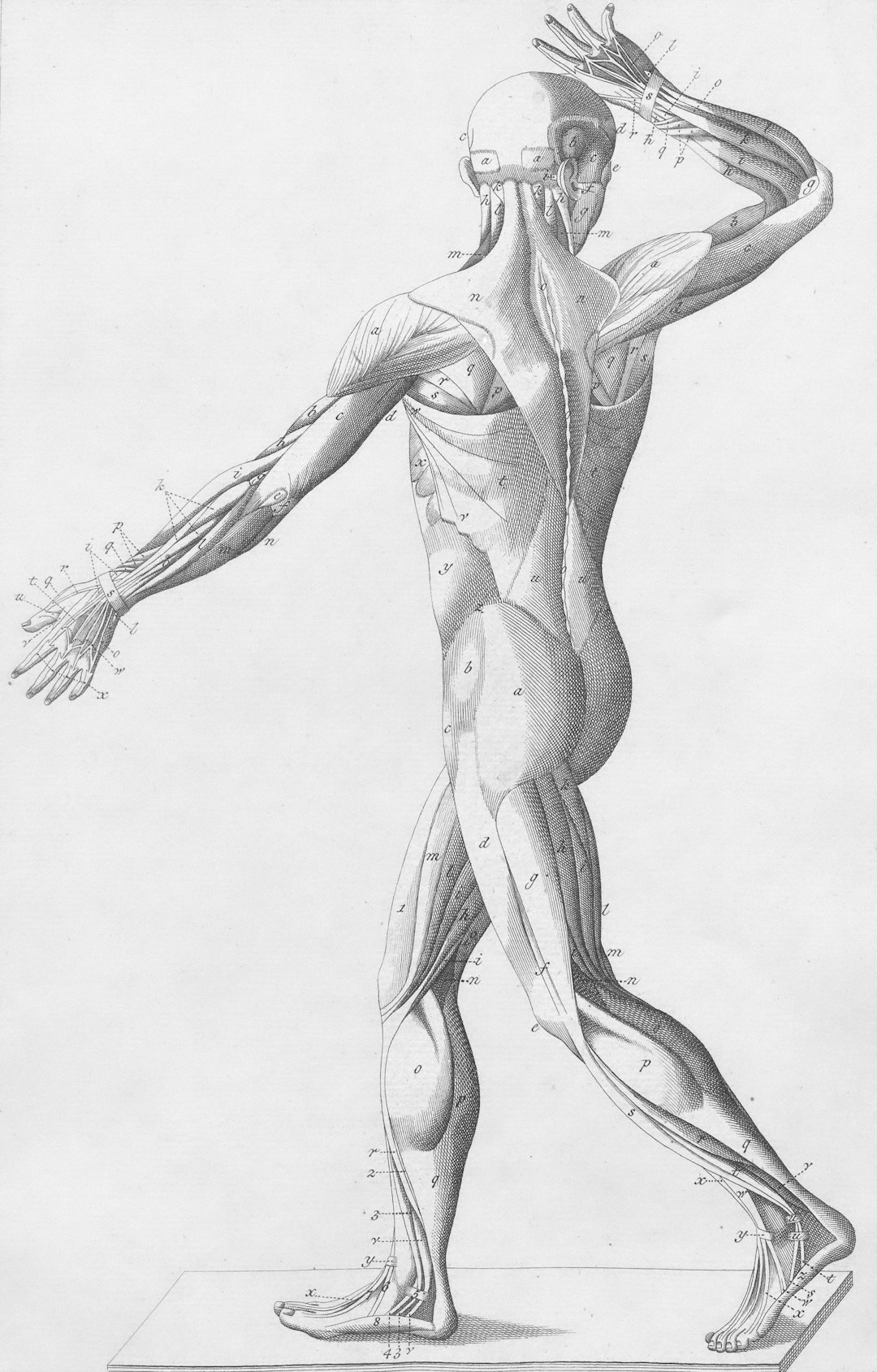
Muscle injuries commonly occur during rapid or forceful eccentric contractions, particularly when muscles are fatigued or inadequately conditioned. Tendon injuries are frequently associated with repetitive loading and insufficient recovery, leading to micro-damage accumulation and structural degeneration.
Ligament injuries typically result from excessive joint motion beyond physiological limits, often occurring during sudden changes in direction or external perturbations. Biomechanical factors such as muscle imbalance, poor coordination, and reduced neuromuscular control significantly increase susceptibility to these injuries.
Overuse Injuries and Fatigue Mechanics
Overuse injuries develop when the cumulative effects of repetitive loading exceed the tissue’s capacity for repair. Fatigue reduces tissue stiffness and strength, increasing the likelihood of mechanical failure. Biomechanics provides tools to analyze repetitive movement patterns, loading cycles, and recovery demands associated with overuse conditions.
Understanding fatigue mechanics is essential for designing training and rehabilitation programs that balance performance improvement with injury risk reduction.
Biomechanics in Injury Prevention
Injury prevention strategies are strongly grounded in biomechanical principles. Optimizing movement technique, improving strength and flexibility, managing training loads, and enhancing neuromuscular control can significantly reduce injury risk. Biomechanical assessment tools, including motion analysis systems and force measurement devices, are widely used to identify risk factors and evaluate intervention effectiveness.
Clinical and Rehabilitation Applications
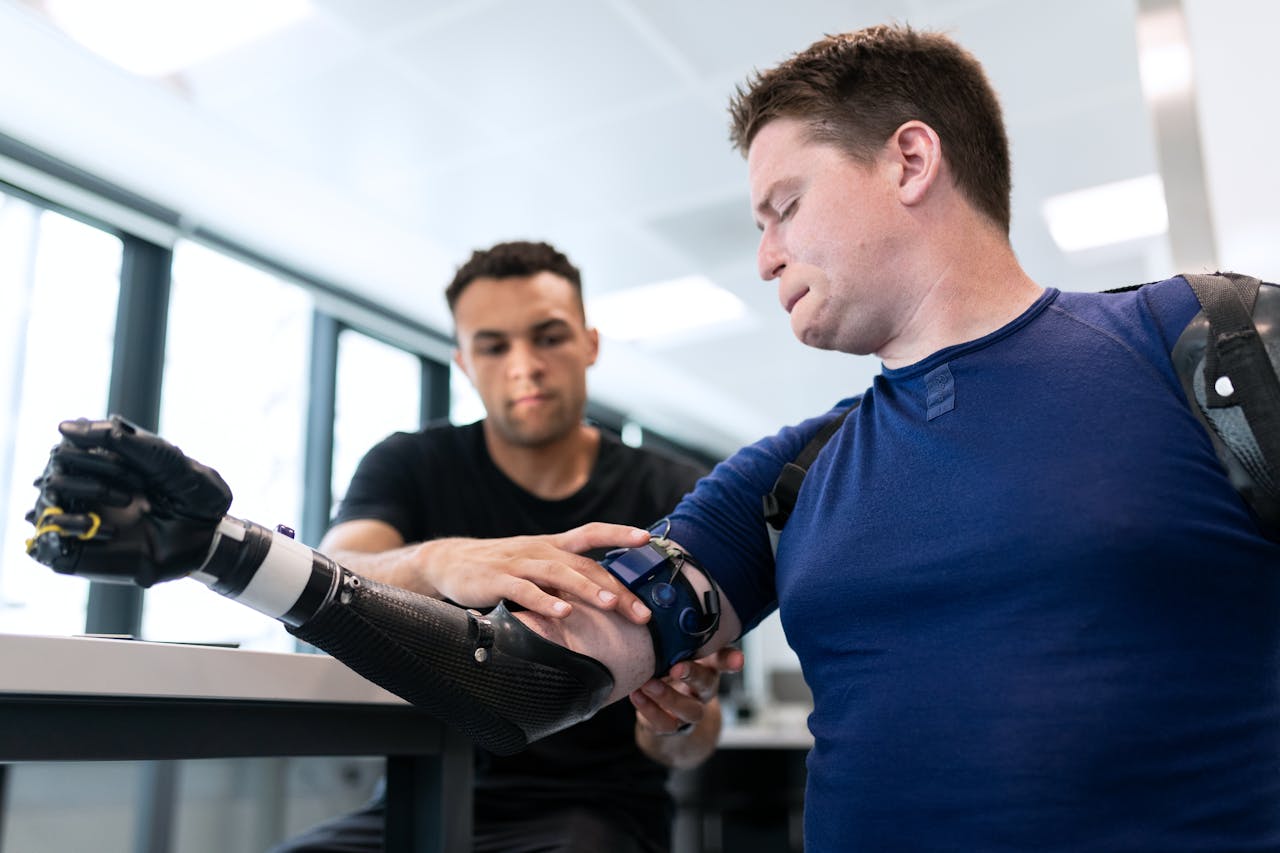
In clinical and rehabilitation settings, biomechanics supports the assessment of movement dysfunctions, the design of targeted interventions, and the monitoring of recovery progress. Restoring optimal movement mechanics and load distribution is essential for safe return to activity and long-term musculoskeletal health.
Conclusion
Biomechanics provides a scientific foundation for understanding the mechanisms underlying musculoskeletal injuries. By examining the interaction between mechanical forces, movement patterns, and tissue behavior, injury biomechanics contributes to effective prevention, diagnosis, and rehabilitation strategies.
 Your Resource for Scientific Research